Mouth guards are protective covers that are placed over teeth to prevent damage, especially when sleeping or playing sports. In contact sports like football, basketball, and hockey, they are frequently used to stop damage from physical impact. However, they are also necessary for those who have bruxism, a condition where they grind or clench their teeth at night. In addition to shielding the soft tissues of the lips, cheeks, and tongue from harm, mouth guards also serve to cushion teeth and keep them from breaking, cracking, or falling out.
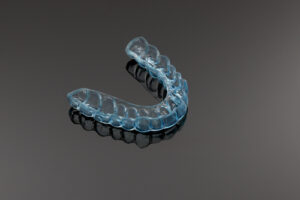
Mouthguards come in a variety of forms, each intended for a particular need. Stock mouthguards are the least expensive alternative because they are pre-formed and ready to wear. However, because they are not made to fit a certain person’s lips precisely, they frequently offer the least amount of comfort and protection. The fit of boil-and-bite mouthguards is superior. The thermoplastic material used to make these guards softens in water when heated. For a more personalized fit, the user bites into the heated guard, allowing it to conform to the contours of their teeth and gums.
Custom mouthguards are the finest choice if you’re looking for the maximum degree of comfort and protection. A dentist makes them by taking an impression of the patient’s teeth and using that information to produce a custom-fit mouth guard. Although custom mouthguards are more costly, they offer better comfort, protection, and durability, making them the perfect choice for bruxism sufferers and sportsmen alike.
Mouthguards are very beneficial to athletes since they drastically lower the possibility of oral injuries sustained while participating in sports. In the event of a facial blow, a properly fitting mouth guard can cushion the force and avert shattered teeth, fractured jaws, and other dangerous injuries. Mouth guards not only shield teeth but also assist lower the risk of concussions by absorbing shock and cushioning the jaw, so reducing the force sent to the brain.
Mouthguards are also very important for people with bruxism. Grinding and clenching at night can erode tooth enamel, causing pain, sensitivity, and even fractures. In addition to causing headaches and jaw pain, bruxism can eventually harm dental restorations like crowns and fillings. By establishing a barrier between the upper and lower teeth and lessening the wear and tear brought on by clenching and grinding, a mouth guard worn at night can help avoid these problems.
It’s important to think about comfort, durability, and the required amount of protection while selecting a mouth guard. An uncomfortable mouth guard can reduce the likelihood that the wearer will use it often. A mouth guard should fit tightly, permit regular breathing and speech, and remain firmly in place while being used, whether for sports or to avoid bruxism.
A mouthguard must be properly maintained and cared for to be both effective and long-lasting. Mouth guards should be kept in a ventilated container to allow them to dry after each use. They can be cleaned with cool water and a toothbrush. Additionally, it is advised to routinely inspect the mouth guard for wear and tear and replace it as necessary, especially if it becomes loose or broken.
In conclusion, mouth guards are a vital piece of equipment for keeping your teeth and mouth safe, whether you’re a bruxism sufferer or an athlete trying to avoid sports injuries. Your oral health can be protected and expensive dental problems can be avoided by selecting the best mouth guard and taking good care of it.