A frequent dental procedure is called a tooth extraction, in which the tooth is taken out of its bone socket. Although dentists want to keep natural teeth as much as possible, extractions are occasionally required to preserve oral health as a whole. A tooth may need to be pulled for a number of reasons, including as extensive decay, infection, gum disease, crowding, or trauma.
Severe tooth decay or damage that cannot be fixed with a filling, crown, or other restorative procedure is one of the most frequent causes of tooth extractions. A painful infection may result from decay that reaches the pulp of the tooth, which contains the nerves and blood vessels. Extraction might be the only way to stop the infection from spreading to other areas of the mouth or body if it is too severe to be treated with a root canal.

Tooth extraction may also be necessary as a result of gum disease, especially advanced periodontal disease. The tissues and bones that support the teeth are impacted by this disorder, which causes the teeth to shift or loosen. It could be necessary to pull the tooth if there is significant damage and no other treatment can save it in order to avoid more issues.

In order to prepare for orthodontic therapy, teeth extractions are very frequently carried out. One or more teeth may need to be extracted in order to make the necessary space in the mouth for all of the teeth to align correctly. The wisdom teeth, which are the third molars that usually erupt in late adolescence or early adulthood, are a common example of this. Because wisdom teeth can become impacted, or imprisoned in the jawbone, or cause crowding, misalignment, or harm to adjoining teeth, they are often extracted.

Extracting teeth might also result from oral trauma or damage. To stop additional harm or infection, a tooth that is badly fractured or shattered and cannot be fixed may need to be extracted. Similarly, depending on the severity of the injury, extraction may be required if a tooth has been knocked out or dislodged as a result of an accident.

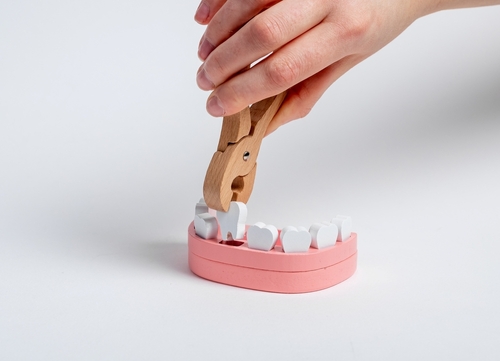
Simple and surgical tooth extractions are the two types available. When a tooth is visible in the mouth and can be extracted with forceps after being made more pliable using an elevator, the procedure is called a simple extraction. Usually, this operation is simple, quick, and requires little recuperation time.

On the other hand, a surgical extraction is more complicated and necessary in situations where the tooth is not easily accessible, including when it is impacted or has broken off at the gum line. In order to reach the tooth during a surgical extraction, a gum incision must be made. It may also be necessary to remove some surrounding bone or split the tooth into tiny pieces to make removal easier. Due to the increased invasiveness of this operation, recovery time may be extended.

It’s crucial to adhere to your dentist’s post-operative instructions following a tooth extraction in order to promote healthy healing. This usually entails using over-the-counter painkillers to treat pain and swelling, putting ice packs to the injured area, and refraining from actions that can agitate the extraction site, like smoking, sipping alcohol through a straw, or vigorously washing. In order to prevent infection, your dentist can also advise eating soft foods for a few days and practicing proper oral hygiene.

A dental implant, bridge, or partial denture may be placed to cover the space left by the extracted tooth in certain situations after a tooth extraction. The integrity of your bite is maintained, shifting is avoided, and correct alignment of the remaining teeth is maintained with the replacement of the lost tooth.

In conclusion, even though they are frequently a last choice, tooth extractions are essential to maintaining dental health in cases where a tooth cannot be salvaged. Patients can recuperate easily and keep their smiles healthy by being aware of the reasons behind extractions and taking the proper care of their teeth thereafter.
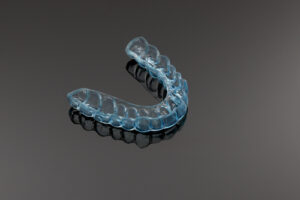
Mouth guards are protective covers that are placed over teeth to prevent damage, especially when sleeping or playing sports. In contact sports like football, basketball, and hockey, they are frequently used to stop damage from physical impact. However, they are also necessary for those who have bruxism, a condition where they grind or clench their teeth at night. In addition to shielding the soft tissues of the lips, cheeks, and tongue from harm, mouth guards also serve to cushion teeth and keep them from breaking, cracking, or falling out.

Mouthguards come in a variety of forms, each intended for a particular need. Stock mouthguards are the least expensive alternative because they are pre-formed and ready to wear. However, because they are not made to fit a certain person’s lips precisely, they frequently offer the least amount of comfort and protection. The fit of boil-and-bite mouthguards is superior. The thermoplastic material used to make these guards softens in water when heated. For a more personalized fit, the user bites into the heated guard, allowing it to conform to the contours of their teeth and gums.

Custom mouthguards are the finest choice if you’re looking for the maximum degree of comfort and protection. A dentist makes them by taking an impression of the patient’s teeth and using that information to produce a custom-fit mouth guard. Although custom mouthguards are more costly, they offer better comfort, protection, and durability, making them the perfect choice for bruxism sufferers and sportsmen alike.

Mouthguards are very beneficial to athletes since they drastically lower the possibility of oral injuries sustained while participating in sports. In the event of a facial blow, a properly fitting mouth guard can cushion the force and avert shattered teeth, fractured jaws, and other dangerous injuries. Mouth guards not only shield teeth but also assist lower the risk of concussions by absorbing shock and cushioning the jaw, so reducing the force sent to the brain.

Mouthguards are also very important for people with bruxism. Grinding and clenching at night can erode tooth enamel, causing pain, sensitivity, and even fractures. In addition to causing headaches and jaw pain, bruxism can eventually harm dental restorations like crowns and fillings. By establishing a barrier between the upper and lower teeth and lessening the wear and tear brought on by clenching and grinding, a mouth guard worn at night can help avoid these problems.

It’s important to think about comfort, durability, and the required amount of protection while selecting a mouth guard. An uncomfortable mouth guard can reduce the likelihood that the wearer will use it often. A mouth guard should fit tightly, permit regular breathing and speech, and remain firmly in place while being used, whether for sports or to avoid bruxism.

A mouthguard must be properly maintained and cared for to be both effective and long-lasting. Mouth guards should be kept in a ventilated container to allow them to dry after each use. They can be cleaned with cool water and a toothbrush. Additionally, it is advised to routinely inspect the mouth guard for wear and tear and replace it as necessary, especially if it becomes loose or broken.

In conclusion, mouth guards are a vital piece of equipment for keeping your teeth and mouth safe, whether you’re a bruxism sufferer or an athlete trying to avoid sports injuries. Your oral health can be protected and expensive dental problems can be avoided by selecting the best mouth guard and taking good care of it.

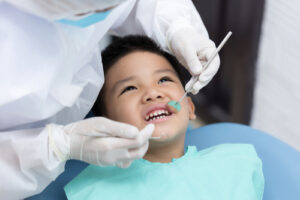
Pediatric dentistry is a subspecialty of dentistry that treats children’s dental health from birth to adolescence. To ensure that young patients’ teeth, gums, and mouths develop healthily, it caters to their specific dental needs. Beyond dental school, pediatric dentists receive additional training to help them handle the unique issues of treating children, such as behavior management and the developmental elements of oral health.

Early infancy dental care aims to instil healthy oral hygiene practices as one of its main objectives. Pediatric dentists provide information to parents and kids about the value of consistent dental checkups, brushing, and flossing. Common problems like cavities, gum disease, and other dental difficulties can be avoided with the help of these early interventions. Frequent dental checkups also enable the dentist to track a child’s tooth development and correct any issues before they worsen.

A big part of pediatric dentistry is preventive care. This covers procedures like dental sealants and fluoride treatments, which are crucial for preventing tooth decay in early teeth. While sealants offer a barrier of protection over the chewing surfaces of the back teeth, where decay frequently begins, fluoride fortifies enamel, increasing its resistance to cavities. These straightforward, non-invasive procedures can dramatically lower a child’s lifetime chance of developing oral problems.

Pediatric dentists are also adept at treating dental emergencies, which frequently arise in active kids, such as toothaches, fractured teeth, or knocked-out teeth. Their training equips them to manage these circumstances delicately, guaranteeing the child’s comfort and safety during the therapeutic process. Furthermore, pediatric dentists are prepared to work with kids who have particular requirements, modifying their methods to give each patient the best care possible.

Maintaining an eye on and directing a child’s bite and jaw development is another essential function of pediatric dentistry. Early identification of bite abnormalities or misalignment can result in prompt orthodontic treatment or other interventions, which can stop more serious concerns from arising later on. In order to guarantee that a child’s teeth and jaws develop properly and lay the groundwork for a healthy, functioning smile, pediatric dentists collaborate closely with orthodontists.

The field of pediatric dentistry places significant emphasis on creating a favorable dental visitation experience for children. With bright décor, games, and toys to make kids feel more comfortable, dental offices are usually made to be kid-friendly places. Pediatric dentists and the personnel that works with them are skilled in interacting with kids in a way that is both easy to grasp and helps them feel less scared or anxious.

Another important aspect of pediatric dentistry is education. Pediatric dentists frequently collaborate with parents to offer advice on matters that can affect a child’s dental health, such as healthy eating habits, teething, thumb-sucking, and pacifier use. Pediatric dentists assist in laying the foundation for a lifetime of excellent oral health by educating parents and kids about these crucial topics.

In summary, pediatric dentistry is essential to children’s general health and well-being. Pediatric dentists assist guarantee that children grow up with healthy teeth, a positive attitude toward dental care, and the information they need to maintain good oral hygiene throughout their lives by offering specialized care catered to the needs of young patients. A lifetime of healthy smiles can be paved with routine pediatric dental checkups.

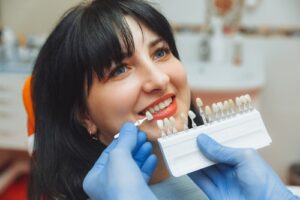
One of the most popular cosmetic dentistry operations is teeth whitening, which lightens the color of your teeth and gets rid of stains or discolorations. Over time, a number of things can cause your teeth to become less bright naturally, including food and beverages (such as coffee, tea, and red wine), smoking, and even some drugs. Treatments for teeth whitening restore a brighter, whiter smile, which improves your look and self-esteem.

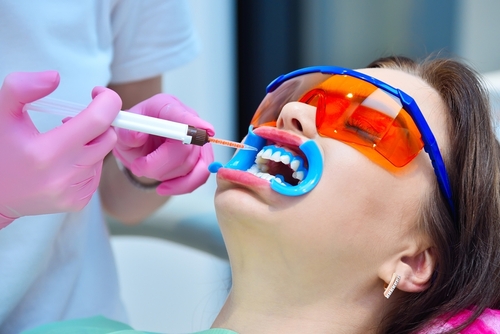
There are numerous choices for teeth whitening, from at-home remedies to in-office procedures. The quickest and most efficient technique is having a dentist whiten teeth in-office. Usually, this in-office procedure entails the direct application of a strong bleaching solution to the teeth, which is occasionally accelerated by the use of a laser or special light. Your teeth can become several shades whiter in only one session, which makes it a great choice for people who want results right away.

Take-home whitening kits from dentists are a common option for people who would rather whiten their teeth at home. These kits come with specially designed trays that slide over your teeth and are loaded with high-quality whitening gel. Until the required degree of whitening is attained, the trays are worn for a predetermined amount of time every day, often for a few weeks. Although this procedure requires more time than in-office treatments, it is more convenient and gives you greater control over the whitening process.

Also commonly accessible are over-the-counter whitening solutions including gels, toothpaste, and strips. These products may take longer to show results than professional treatments, but they are often less concentrated in bleaching ingredients and can be useful for minor discoloration. Additionally, there’s a higher possibility of uneven whitening or gum discomfort because they’re not custom-fitted.

It is crucial to remember that teeth whitening is a temporary solution. The duration of the effects varies according on your lifestyle and habits, from a few months to a few years. Maintaining proper dental hygiene and avoiding foods and beverages that cause stains can help extend the results of teeth whitening. For the sake of keeping their pearly whites, some people may also choose to get touch-up procedures periodically.

Even though teeth whitening is usually safe, you should always see a dentist before starting any whitening procedures. The bleaching compounds used in these procedures may cause gum inflammation or tooth sensitivity in certain people. A dentist can evaluate your oral health and suggest the best teeth-whitening solution for you, making sure the procedure is safe and successful.

A simple and efficient method to improve your smile and raise your self-esteem is teeth whitening. A whiter, more radiant smile is achievable with an in-office procedure, a take-home kit, or an over-the-counter product. You can benefit from teeth whitening for years to come if you adhere to your dentist’s advice and practice proper oral hygiene.

The goal of cosmetic dentistry is to improve the way your teeth, gums, and smile look. Whether you want to get rid of a chipped tooth, whiten your teeth, or give your smile a makeover, it includes a broad range of treatments intended to enhance its appearance. Cosmetic dentistry is primarily concerned with how your teeth and smile look overall, as opposed to general dentistry, which concentrates on oral hygiene and treating oral illnesses.


Teeth whitening is one of the most common cosmetic dental procedures. Coffee, tea, smoking, and some medications are just a few of the things that can cause teeth to discolor or become stained over time. Bleaching agents are used in teeth whitening procedures to get rid of these stains, giving the smile a brighter, more lively appearance. Teeth whitening, whether done at the dentist’s office or at home with take-home kits, can greatly increase your self-confidence.

Another popular cosmetic dental option is veneers. These are tiny shells, custom-made to cover the front surface of your teeth, composed of composite resin or porcelain. Many aesthetic problems, including chipped, cracked, misaligned, or discolored teeth, can be resolved with veneers. Because they are created to order, they have a natural appearance and feel and fit in perfectly with your natural teeth. To provide a snug fit for the veneer, a small bit of enamel must be removed from the tooth’s surface throughout the procedure.

When it comes to cosmetic procedures, dental bonding is more conservative than veneers. The tooth is covered in a resin substance that matches the color of the tooth, which is subsequently formed and cemented using a specialized light. Bonding can be used to bridge gaps, fix fractured or broken teeth, or alter the contour of a tooth. It may typically be finished in a single dental appointment and is a quick and affordable choice for small cosmetic modifications.

Clear aligners and traditional braces are two choices available from cosmetic dentistry for people who want to straighten their teeth. Because they are almost undetectable and can be taken out for eating or brushing, clear aligners, like Invisalign, have grown in popularity. These aligners provide a more visually acceptable option to traditional braces by gradually moving your teeth into the ideal position without the use of metal brackets and wires.

In cosmetic dentistry, partial crowns, or inlays and onlays, are an additional alternative. These restorations are manufactured to order and are placed into or on the surface of the tooth to fix decay or injury. Inlays and onlays, which are strong and long-lasting, blend in with your natural teeth and can be made of gold, composite resin, or porcelain. When a tooth is too damaged for a filling but not enough to need a complete crown, they are frequently used.

A more sophisticated option in cosmetic dentistry, dental implants offer a long-term fix for missing teeth. A titanium post that serves as an artificial tooth root is surgically inserted into the mandible to create an implant. A crown is placed on top of the implant after it has fused with the bone, resulting in a replacement tooth that looks and functions like the original. In addition to improving the appearance of your smile, dental implants stop the jaw’s natural bone loss that can happen when teeth are lost.

Gum contouring, a technique used in cosmetic dentistry, repositions the gum line to produce a smile that is less “gummy” or more symmetrical. Those who believe that their gums overshadow their teeth and throw off the harmony of their smile may find this to be especially helpful.

In general, cosmetic dentistry provides a wide range of alternatives to improve your smile, regardless of whether you want to make small tweaks or a major makeover. These operations are now more accessible and effective than ever because to developments in technology and materials, giving you the smile of your dreams.

Nightguards are dental appliances made to shield your teeth against bruxism, the condition where teeth grind and clench together excessively. Many people suffer from bruxism, a common condition that usually occurs during sleep and, if left untreated, can result in a variety of dental problems. Teeth sensitivity, fractures, and in extreme situations, tooth loss, can result from the continuous clenching and grinding of teeth, which wears down the enamel. By putting an artificial barrier between the top and bottom teeth, nightguards minimize the chance of harm and prevent direct contact.

Avoiding tooth wear is one of the main advantages of using a nightguard. Even though the enamel on your teeth is the strongest material in the human body, bruxism’s strain and friction can gradually erode the enamel. The underlying dentin becomes visible as the enamel erodes, making it more vulnerable to damage and deterioration. By utilizing a nightguard, you can protect your teeth and preserve the integrity of your enamel by creating a cushion that absorbs the impact of clenching and grinding.

Nightguards can aid with bruxism-related jaw pain and discomfort in addition to safeguarding your teeth. Your jaw’s muscles and joints are overworked when you grind or clench your teeth, which can result in illnesses such temporomandibular joint (TMJ) disorders. TMJ issues can result in headaches, earaches, and jaw pain, clicking, and popping. By equally distributing the pressure across your jaw, a nightguard can relieve the strain on your muscles and joints and alleviate these symptoms.

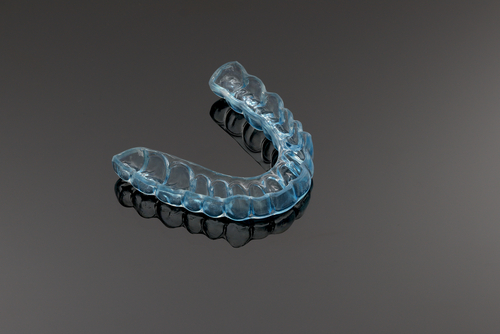
Nightguards are created specifically to fit your mouth, providing the highest level of comfort and efficiency. To make a nightguard that snugly fits over your upper or lower teeth, your dentist will take impressions of your teeth. The nightguard is made easier to wear without causing discomfort thanks to its tailored fit, which also guarantees that it stays in place throughout the night. Even though they are readily available, off-the-shelf nightguards are less effective than tailored ones since they don’t offer the same degree of comfort and protection.

Utilizing a nightguard also has the benefit of avoiding headaches and migraines, which are frequently brought on by bruxism. Tension headaches and migraines can be brought on by the excessive force used when clenching and grinding, especially in the morning. You can improve your quality of life by lessening the severity and frequency of these headaches by wearing a nightguard. Using a nightguard on a regular basis provides great help for many persons with chronic headaches.

A nightguard can also assist safeguard dental restorations like crowns and bridges for people who have braces on or have had them placed. Clenching and grinding can harm dental work, requiring expensive replacements or repairs. By functioning as a shield, a nightguard prolongs the life of your orthodontic treatments and restorations.

Finally, for those who experience bruxism, nightguards are crucial. They provide a number of advantages, such as guarding dental restorations, minimizing jaw pain, eliminating headaches, and decreasing wear on your teeth. It’s crucial to speak with your dentist to find out if a nightguard is appropriate for you if you think you clench or grind your teeth at night. Purchasing a custom-made nightguard helps protect your teeth from future issues and enhance your oral health in general.